Events Categories
CETANB Centre for Emerging Technology and Atma Nirbhar Bharat
CMHCS Centre for Military History and Conflict Studies
CP&L Centre for Publications & Library
CPME Centre for Professional Military Education
CS3 Centre for Strategic Studies and Simulation
CUNHS Centre for United Nations and Humanitarian Studies
Chairs of Excellence - Scholar Presentation
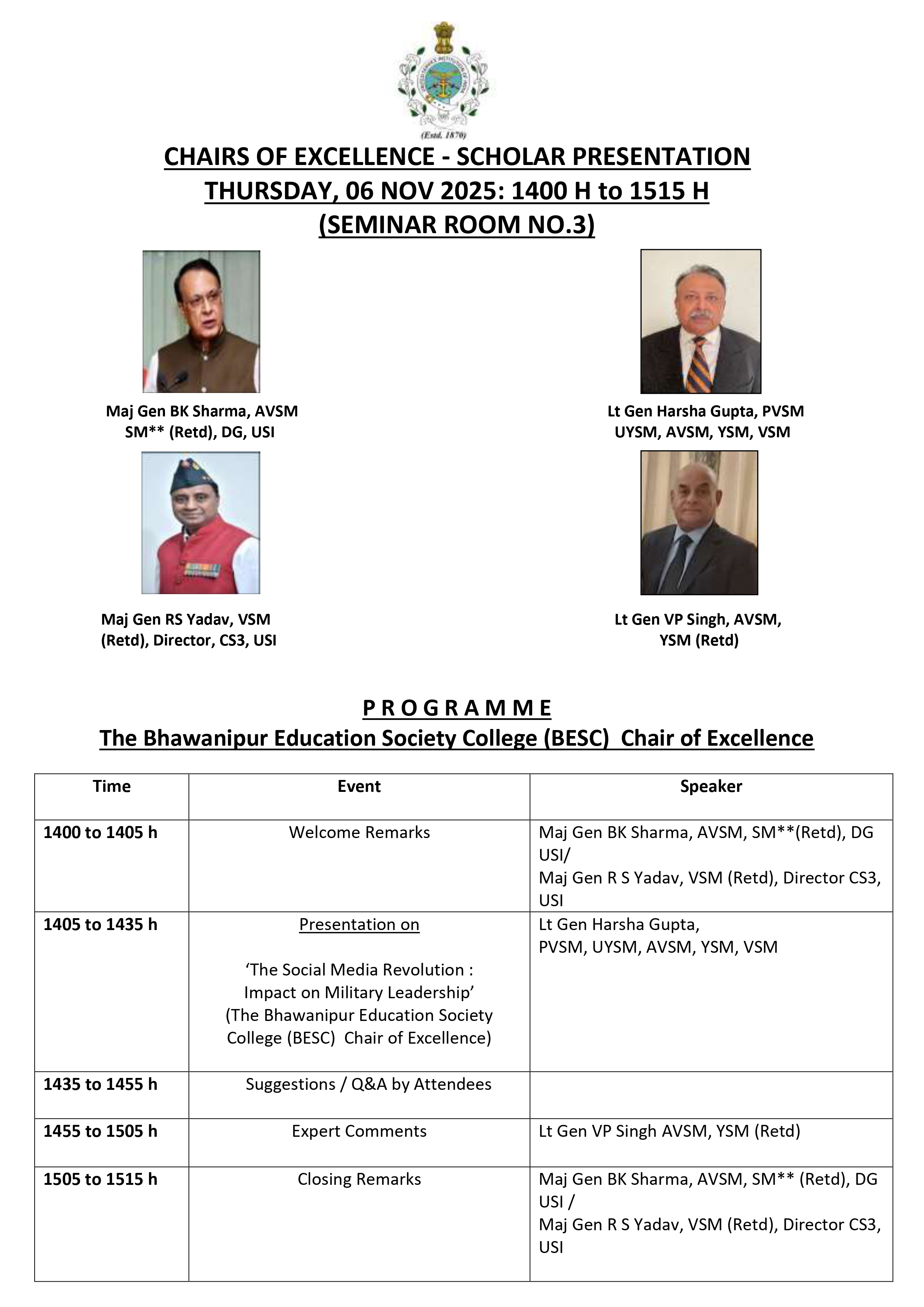
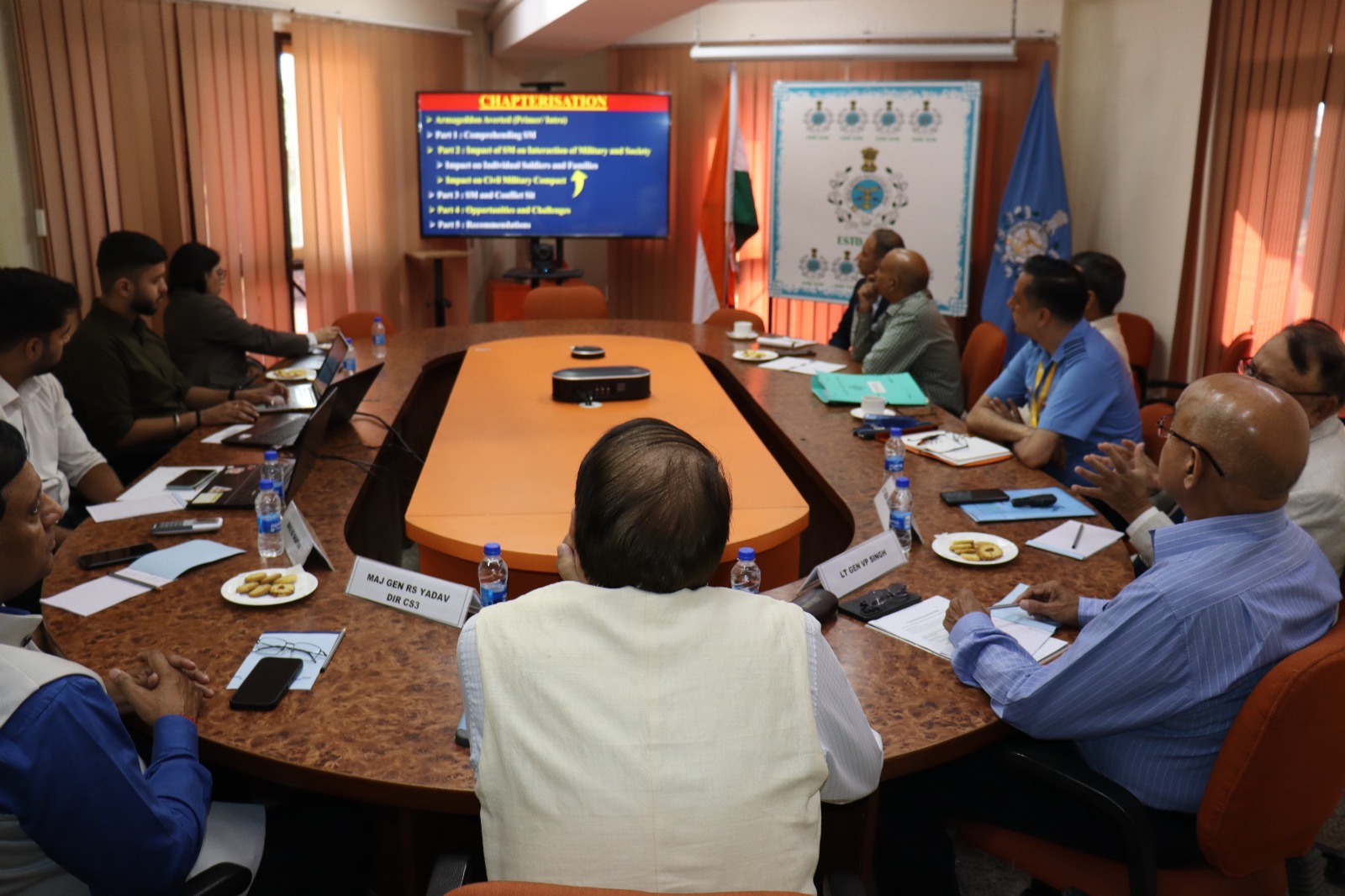
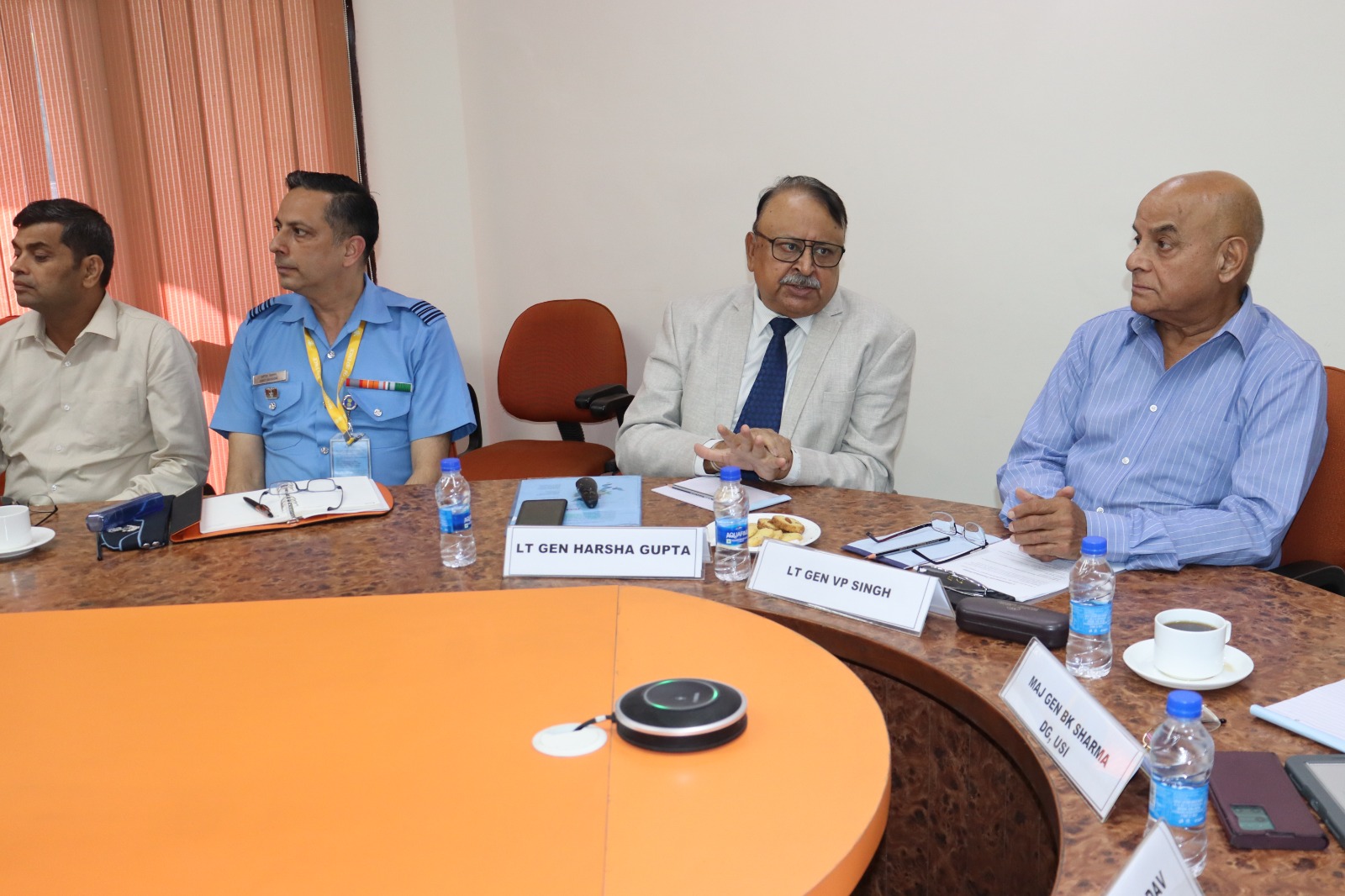
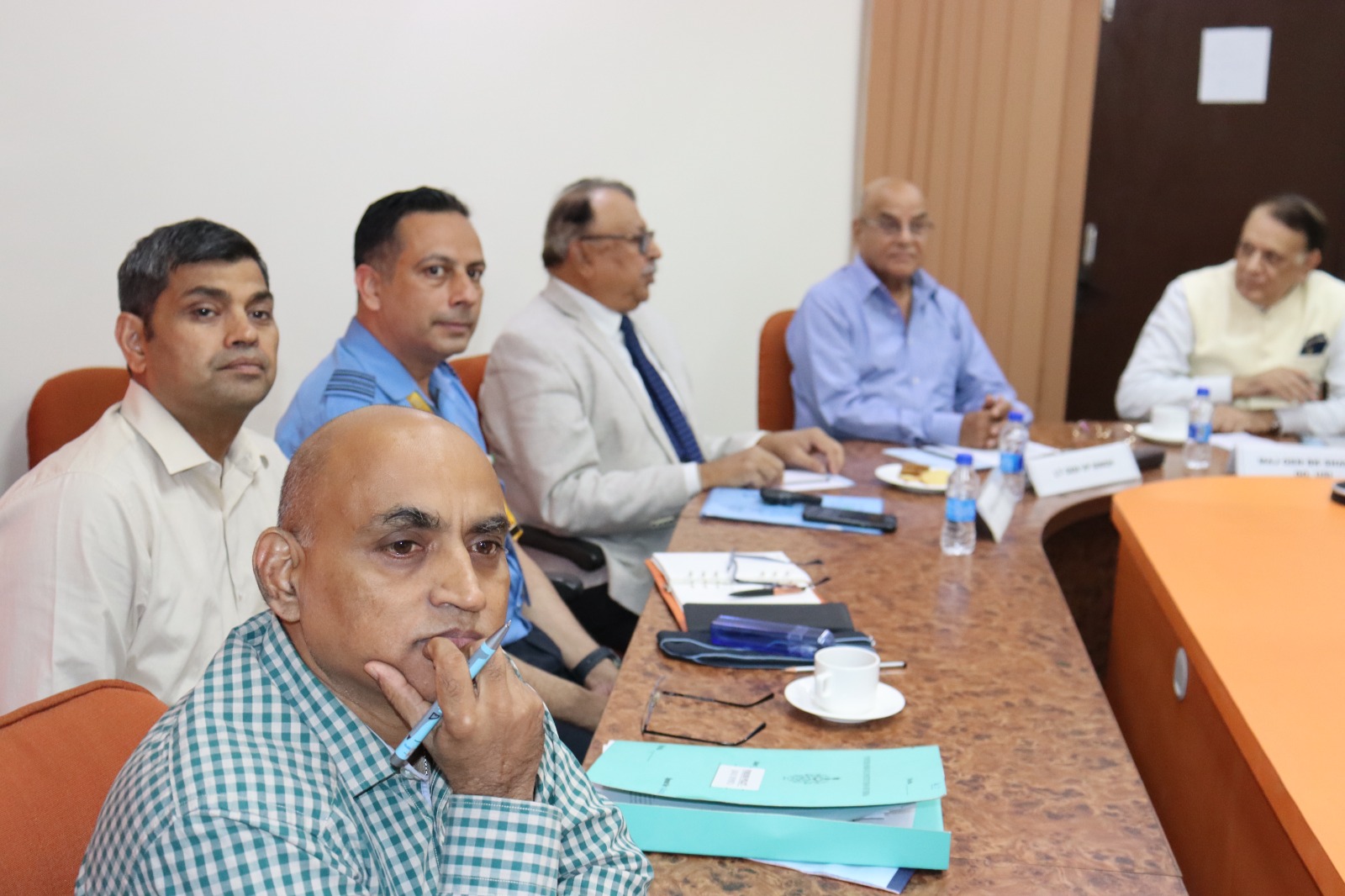
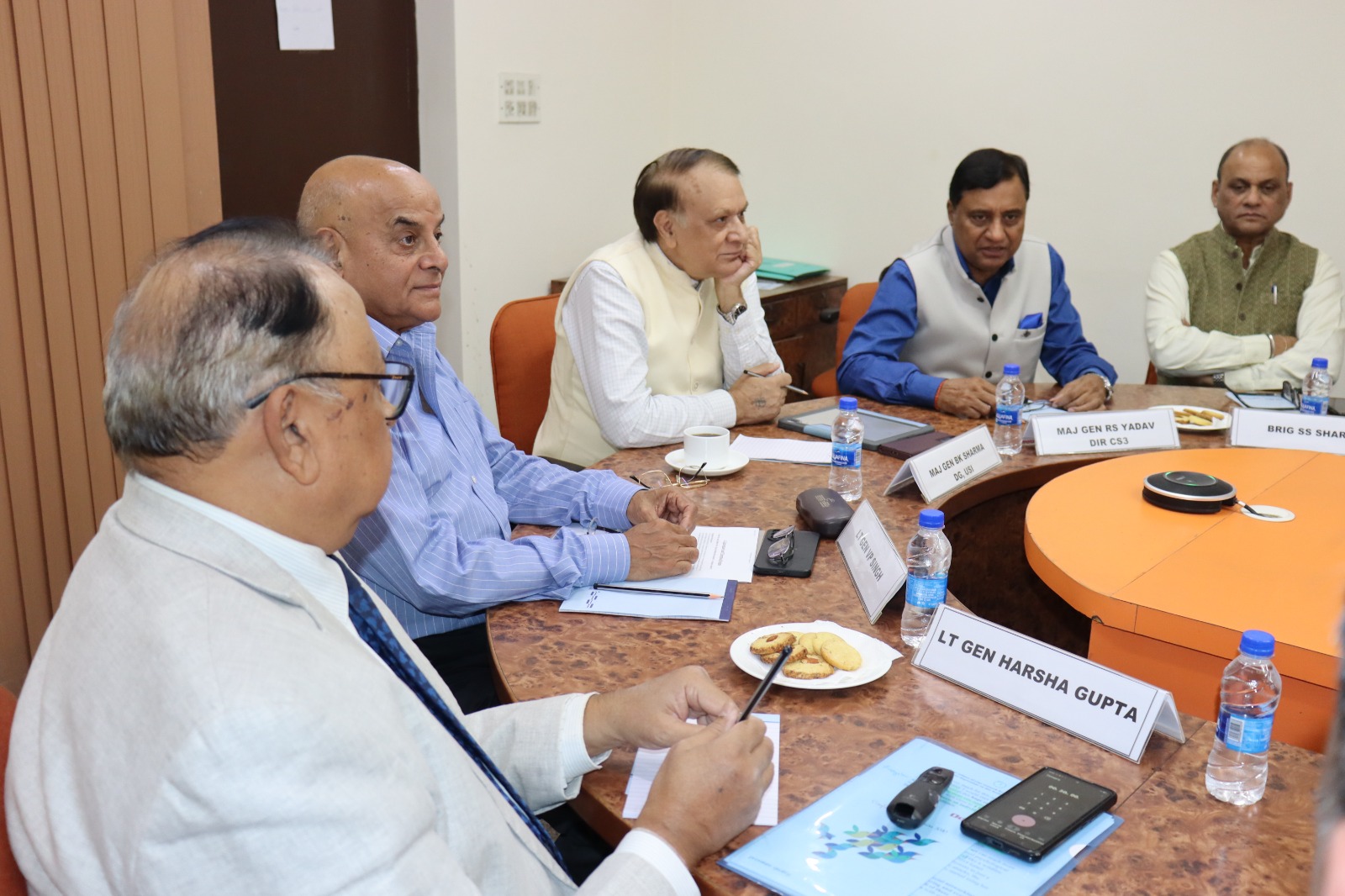
The United Service Institution of India (USI), under the Bhawanipur Education Society College (BESC) Chair of Excellence, convened a scholar presentation on 6 November 2025. The session featured a research presentation by Lieutenant General Harsha Gupta, PVSM, UYSM, AVSM, YSM, VSM, on the theme “The Social Media Revolution: Impact on Military Leadership.” The presentation formed part of a larger ongoing research initiative, which will be further developed into a comprehensive book-length study. Lieutenant General Gupta’s presentation examined the far-reaching implications of digital transformation on the theory and practice of military leadership within the evolving strategic environment. He presented his preliminary research findings that explored the intersection of technology, communication, and command, illustrating how social media has fundamentally redefined the informational and behavioural landscape within which modern military institutions operate. He observed that digital platforms—once peripheral to strategic affairs—have now become decisive instruments of influence, perception management, and operational engagement. Drawing from conceptual frameworks and case-based analysis, the speaker demonstrated how the pervasive nature of social media impacts leadership conduct, organizational culture, and public perception. His analysis emphasized that the “social media revolution” presents both opportunities and vulnerabilities for the military, necessitating a recalibration of leadership principles, communication ethics, and decision-making processes. He highlighted how information velocity and the democratization of communication can simultaneously enhance strategic outreach and expose institutional fragility, demanding a leadership ethos grounded in adaptability, discernment, and digital literacy. The presentation further examined the ethical, cognitive, and organizational dimensions of this transformation, calling for the integration of social media awareness and information management training within professional military education. Lieutenant General Gupta argued that effective leadership in the digital era requires not only command competence but also a nuanced understanding of information ecosystems, influence dynamics, and public engagement. The session was chaired by Major General BK Sharma, AVSM, SM (Retd), Director General, USI, and Major General RS Yadav, VSM (Retd), Director, Centre for Strategic Studies and Simulation (CS3), USI. In their observations, they underscored the growing necessity for strategic institutions to study the implications of social media and digital communication on national security and defence leadership. Lieutenant General VP Singh, AVSM, YSM (Retd), offered additional insights, emphasizing the evolving demands on leaders to operate effectively in an information-saturated environment where perceptions often shape strategic realities. An interactive discussion followed, allowing participants to engage with the research findings and reflect on key issues such as digital influence operations, misinformation management, psychological warfare, and the role of online engagement in shaping public trust in the armed forces. The deliberations revealed a broad consensus on the need for sustained research and institutional adaptation to the challenges of the digital age. In his concluding remarks, Major General BK Sharma commended Lieutenant General Harsha Gupta for his scholarly depth and analytical clarity, noting that the research represents a significant contribution to contemporary defence studies and leadership scholarship. He emphasized that as the work progresses toward book publication, it is expected to provide a foundational framework for understanding how digital transformation is reshaping leadership paradigms within military and strategic institutions. The presentation reaffirmed USI’s role as a premier platform for strategic research and dialogue, fostering academic inquiry into emerging issues at the intersection of technology, leadership, and national security. By exploring the social media revolution’s impact on command and influence, Lieutenant General Gupta’s research offers a timely and forward-looking perspective that will enrich scholarly and professional discourse as it evolves into a comprehensive book.